Article written by-Whitley Moesgaard
This procedure eliminates the eye's natural lens and also changes it with a fabricated intraocular lens, or IOL. RLE is particularly beneficial for individuals over 40 that have problems with presbyopia and also cataracts. The sturdy fabricated lenses dental implanted in RLE do not age, so they can maintain you seeing plainly for several years to find.
What is RLE?
Refractive Lens Exchange After Lasik (RLE) is a vision modification procedure for clients with high refractive errors. It is additionally utilized to deal with presbyopia, which is the all-natural tendency for our eyes to lose their ability to concentrate at distances.
RLE can be a fantastic option for patients who have previously attempted LASIK yet had bad results. Normally, clients who are over 45 as well as have difficulty reading without glasses are excellent candidates for RLE.
The procedure fasts, and the majority of people observe renovation in their vision quickly after surgery. Nonetheless, it can spend some time for the eye to heal totally and also for the vision to support.
The primary advantage of RLE is that it gives a more steady vision result than LASIK, which might wear away in time as the corneal density changes. This can cause problems like completely dry eye, flap defects as well as vision loss.
Just How Does RLE Work?
RLE is a treatment that changes your all-natural lens with a man-made intraocular lens (IOL). The IOLs are similar to the lenses that you obtain after LASIK and various other modern eye surgical treatment procedures.
https://postheaven.net/kesha97albertine/right-here-are-some-risks-as-well-as-complications-that-may-happen-after and also enhance your vision. They are a permanent remedy for certain eye conditions such as hyperopia (farsightedness), nearsightedness (nearsightedness), and astigmatism.
If you have a refractive error that makes it difficult for various other restorative surgical treatments to deal with, then RLE might be the only alternative readily available to you. This is particularly real if you have presbyopia or deal with extreme farsightedness (hyperopia) and also are not a prospect for LASIK or various other vision improvement surgeries.
In the same way that cataracts can be protected against by carrying out cataract surgery before they develop, RLE can prevent you from needing to undergo a corneal transplant and lens replacement surgeries later on in life. The threat of retinal detachment is likewise substantially minimized in this circumstance.
Is RLE Safer than LASIK?
While LASIK continues to be the most usual vision improvement treatment in the USA, RLE can be an alternative for patients who do not get approved for LASIK as a result of age or other wellness issues. It's a risk-free, dependable surgery with strong individual contentment as well as quick healing times.
RLE is a refractive lens substitute, which indicates that the eye's all-natural lens is removed and replaced with a synthetic intraocular lens (IOL). just click the following website can be monofocal, multifocal, or suiting.
Multifocal lenses enable you to see at three distinctive ranges while suiting lenses adjust in the eye as your eyes change focus. These sorts of lenses can help you get rid of presbyopia and boost your nearsightedness as well as distance vision, making them a superb selection for individuals who desire a long-term solution.
Just like LASIK, RLE is an elective surgical treatment that is normally not covered by insurance. However, lots of clinics provide financing choices so you can afford the procedure as well as get the high quality vision you desire.
Recovery Time than LASIK?
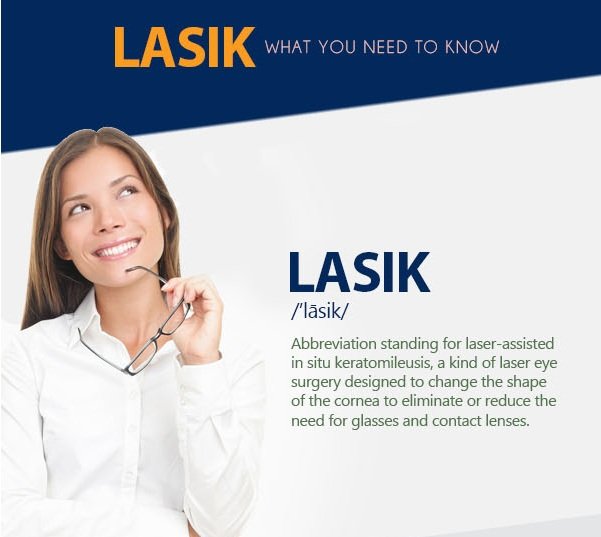
LASIK is a preferred eye surgical treatment that utilizes lasers to fix refractive mistakes such as nearsightedness, farsightedness or astigmatism. Nevertheless, it's not the only treatment that can fix vision issues.
RLE, or Refractive Lens Exchange, is another common surgical procedure for vision improvement. Unlike LASIK, which works on the surface of the eye, RLE changes the all-natural lens.
The most effective candidates for RLE are people over the age of 40. This is due to the fact that LASIK can not prevent eye problems like presbyopia or cataracts, which establish as you age and affect your vision.
Throughout a RLE treatment, the physician removes the patient's all-natural lenses and also changes them with intraocular implants (IOLs). The IOLs can be light-adjustable or suiting, so they can fix various visual problems.